Disney ParksNews
The Real Consequences of Self-Evacuating From a Disney Ride: Inside the ‘it’s a small world’ Incident

No matter how meticulously you plan a Walt Disney World or Disneyland vacation, there is one variable no one can control: mechanical downtime. At some point, almost every frequent park-goer will experience a ride breakdown. Usually, it is a minor inconvenience—the lights turn on, the audio loops, and within fifteen minutes, the system restarts, or Cast Members arrive to guide you out.

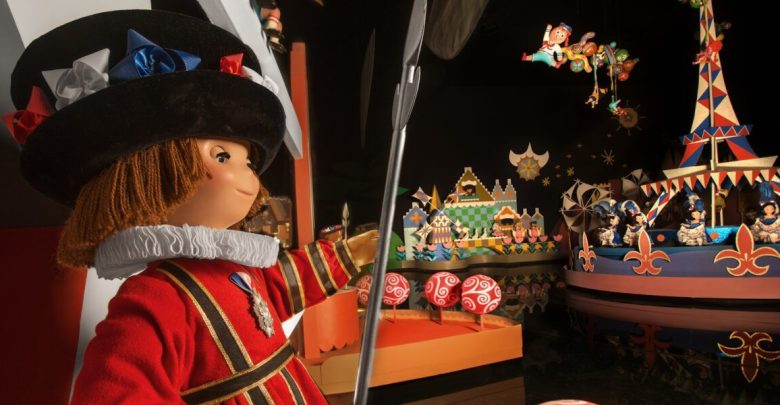
However, when a ride stays stalled for an extended period, patience can wear thin. This is particularly true on classic attractions like Disneyland’s ‘it’s a small world’, where getting stuck means listening to the iconic, looping theme song on repeat in a confined space.
Recently, a viral video captured a mother reaching her breaking point on the attraction, deciding to take matters into her own hands by climbing out of her boat with her four children. While social media platforms quickly filled with footage of the initial climb—amplified by theme park commentators like @NickChaps96 on X—the actual aftermath of these choices is rarely shown. A subsequent video from creator @angelajkeenan shed light on the standard operating procedures that follow, showing the swift security response that awaits guests who exit a ride vehicle without authorization.

Exiting a ride vehicle prematurely sets off a chain of mechanical, operational, and security protocols designed to protect guest safety. Here is a grounded look at what actually happens behind the scenes when a guest attempts a self-evacuation.
The Instant Trigger: How Ride Safety Systems Respond
The most common misconception among guests who exit a stalled ride is that they can slip away unnoticed. In reality, theme park attractions are monitored by a sophisticated network of safety systems, including high-definition infrared cameras, intrusion sensors, and hidden pressure plates. These systems are designed to detect any unexpected movement within the ride envelope.

The moment the guest waded into the flume water of ‘it’s a small world’ to lift her children onto the set pieces, an automated intrusion alarm was triggered in the ride’s control tower. Ride operators are legally and contractually obligated to respond to track intrusions instantly. They do not have the discretion to wait and see if a guest is simply trying to exit peacefully; standard operating procedures require them to treat any unauthorized person on the ride floor as an immediate safety hazard.
Operational Chain Reaction: The Emergency Stop
When an intrusion sensor flags a pedestrian outside a vehicle, operators must immediately initiate an Emergency Stop (E-Stop). An E-Stop doesn’t just pause the ride vehicles; it cuts power to the entire mechanical block zone or the entire show building to prevent any accidental movement that could injure a guest.
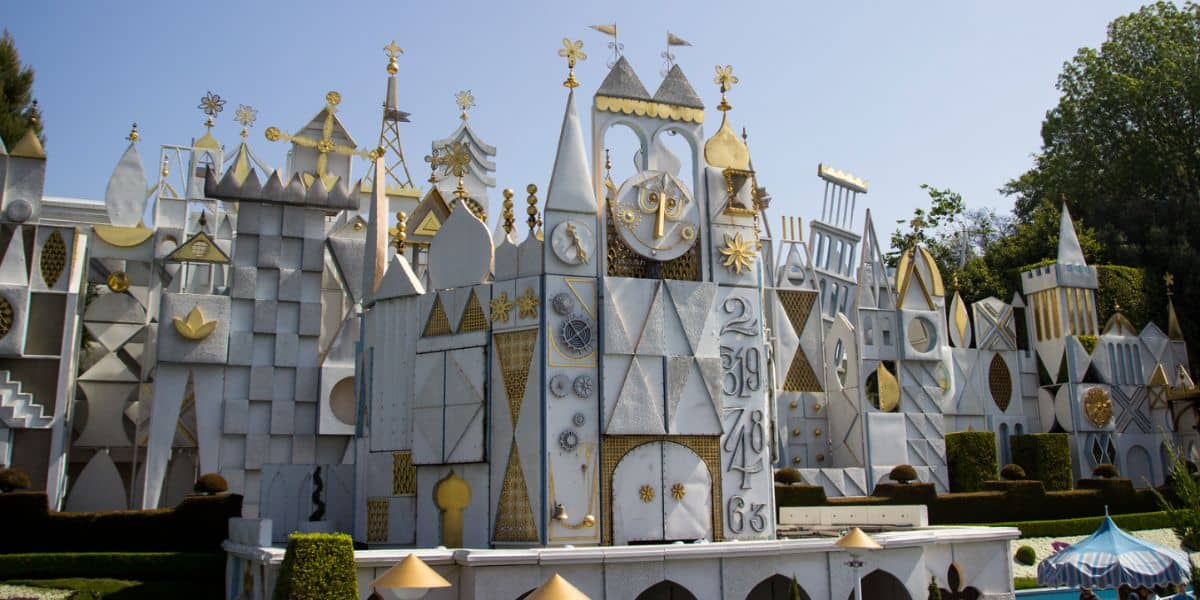
By stepping out of the boat, the guest inadvertently lengthened the delay for everyone else inside the attraction. When an E-Stop is triggered:
- Controlled Evacuations Halt: Cast Members who may already be executing a safe, step-by-step evacuation plan are forced to stop until the perimeter is secure.
- System Resets Are Required: Before a ride can be cleared or restarted after an unauthorized exit, maintenance teams must perform a physical sweep of the entire track or flume to ensure no automated components were damaged and that no guest belongings were dropped into the path of the vehicles.
The Backstage Escort: Protocol Over Policy
The footage shared by creators like @angelajkeenan highlights the immediate logistical reality of a self-evacuation once the guests exit the show building. When the mother and her children reached the exit doors, they were immediately met by Disney Security supervisors.
Theme parks maintain a zero-tolerance policy for self-evacuation because of the immense liability involved. Security personnel do not allow offending parties back into the general theme park areas to mix with the crowds or retrieve personal items immediately. Instead, the family was quietly but firmly escorted away from the public eye via backstage service paths and utility corridors.
From there, guests are brought directly to a secure operations or security facility near the front of the park. This protocol is uniform across major theme parks, ensuring that individuals who compromise ride safety are promptly removed from the property without disrupting the experience of other day guests.
The Long-Term Consequences: Trespass Notices and Ban Realities
Once inside a security processing area, park management reviews the incident to determine the appropriate administrative action. Because theme parks are private property, management retains the absolute right to revoke admission privileges for violating safety regulations.
For a standard self-evacuation, the consequences are straightforward but severe. The guest’s theme park tickets or Annual Passes are immediately revoked and invalidated for the day without a refund. Furthermore, depending on the severity of the intrusion and whether minors were placed in a restricted area, the park will issue a formal corporate Trespass Warning. This warning serves as a legal ban, restricting the individual from entering the company’s theme parks or resort properties for a designated period, which can range from 1 year to a lifetime.
The Hidden Hazards of the Ride Environment
Disney enforces these strict rules because ride layouts are industrial environments disguised as whimsical show scenes. The water in ‘it’s a small world‘ is not a simple pool; beneath the surface lies a complex array of underwater guide rails, high-voltage bus bars that provide electricity to the boats, heavy motorized cables, and automated intake pumps.
Wading through these flumes barefoot carries a significant risk of stepping on sharp mechanical parts or coming into contact with live electrical currents. Additionally, because the systems are heavily automated, an unexpected computer reset can cause multi-ton vehicles to resume moving unexpectedly.
The Bottom Line: Trust the System
While sitting in a broken-down ride for thirty minutes can be incredibly frustrating, the operational message behind the trending videos is clear: staying in your seat is always the fastest and safest route out of the park.

Theme park maintenance and operations teams are highly trained to clear ride issues or execute orderly evacuations using specialized catwalks, platforms, and tools. Taking matters into your own hands doesn’t save time—it simply transforms a temporary mechanical delay into a permanent exit from the park and a forfeited vacation. When the lights go on, pack your patience, remain safely buckled, and let the professionals guide you out.