



For decades, Pixar’s reputation has rested on its willingness to take creative risks.
Original ideas helped define the studio’s identity, from Toy Story (1995) to Finding Nemo (2003) and Up (2009). Each film proved that unfamiliar worlds could still capture global audiences when anchored by strong characters and emotional storytelling.
Yet the modern animation landscape looks very different from the one Pixar helped pioneer.
Original animated films now face an uphill climb at the box office, particularly in a franchise-driven marketplace dominated by recognizable intellectual property. Studios increasingly lean on sequels, spinoffs, and established brands to guarantee attention in a crowded entertainment ecosystem.
Pixar has not been immune to that shift.
In recent years, titles such as Soul (2020), Luca (2021), and Turning Red (2022) earned strong critical praise but struggled to replicate the cultural footprint of Pixar’s earliest hits. Pandemic disruptions also complicated their theatrical releases, altering how audiences encountered the studio’s newest work.
The result has been a visible pivot toward familiar properties.
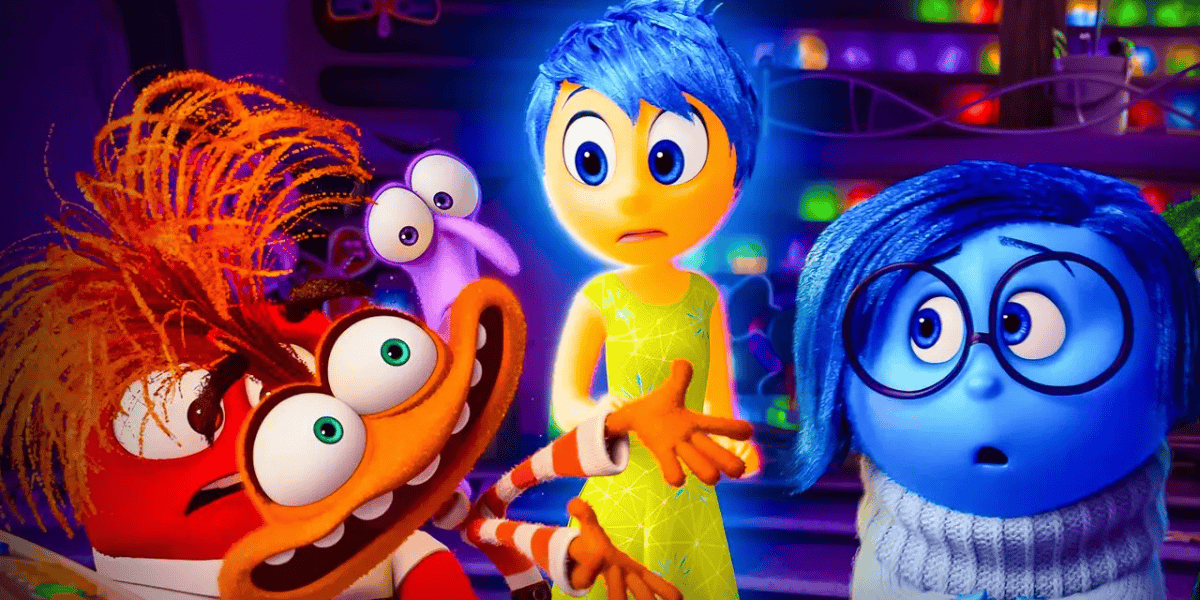
Sequels increasingly dominate Pixar’s upcoming slate, including Toy Story 5. Meanwhile, Inside Out 2 (2024) briefly became the highest-grossing animated film in history, reinforcing Hollywood’s belief that established franchises remain the safest bet.
Even so, Pixar has not completely stepped away from new concepts.
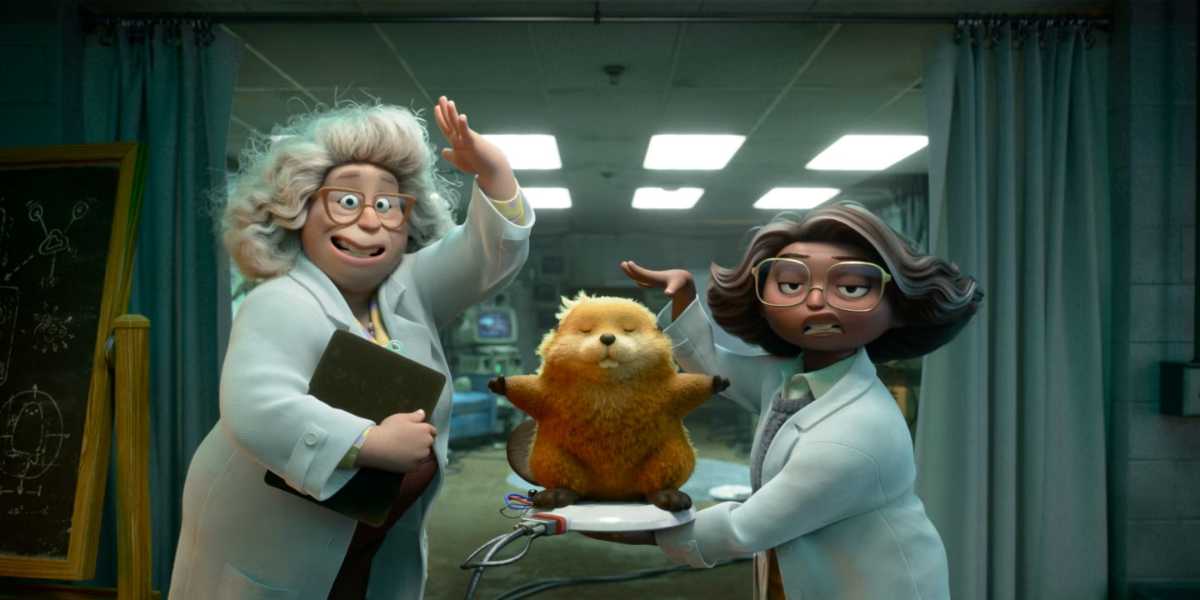
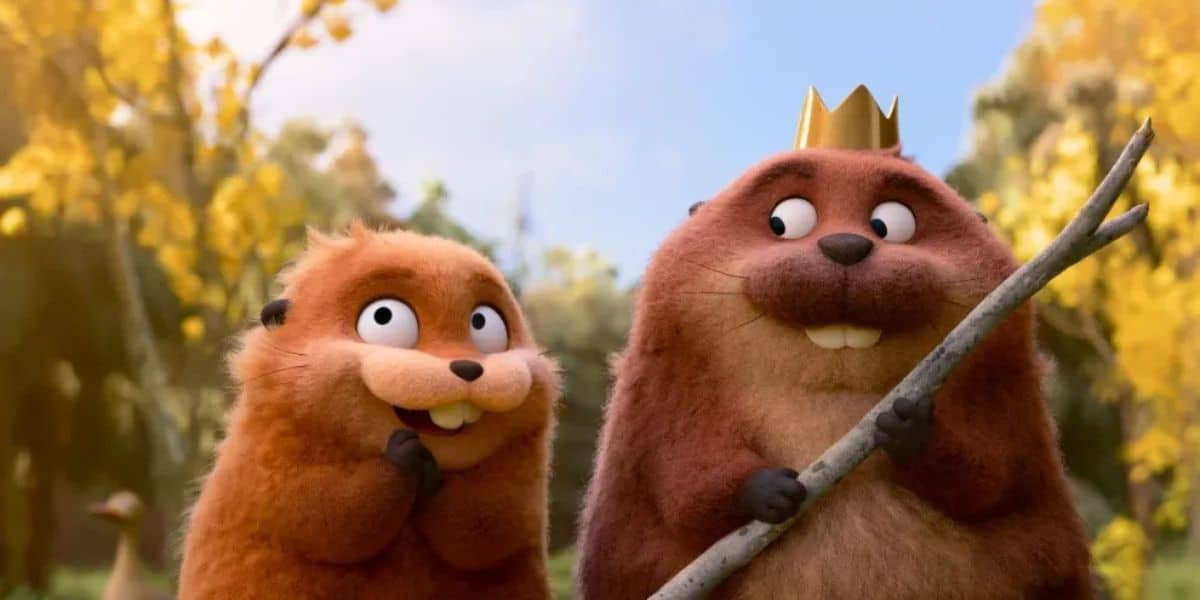
The studio’s recent original film Hoppers (2026) delivered a surprise success, collecting more than $330 million worldwide and earning strong reviews from critics. The result suggested that audiences still have an appetite for new animated stories — if they are given the chance.
Behind the scenes, however, Pixar’s creative pipeline may be undergoing a quieter transformation.
An Ambitious Pixar Film That Never Reached The Screen
In late 2023, a Pixar feature titled Be Fri was abruptly canceled after several years of development.
The project was directed by Kristen Lester, whose previous Pixar work included the animated short Purl. Her concept drew heavily from personal experiences and centered on two teenage girls navigating a fractured friendship.
The story took an imaginative turn when the pair discovered their favorite anime-inspired television series was real.
What followed was a cosmic adventure in which the two girls embarked on a mission to save humanity. The film blended coming-of-age drama with a larger intergalactic narrative, combining emotional storytelling with genre spectacle.
Writer Blaise Hemingway and editor Nicholas C. Smith were also involved in shaping the film’s creative direction.
According to insiders, the project went through multiple rounds of revisions after feedback from Disney leadership. By the time development ended, the film had reportedly undergone four major iterations.
At one point, the creative team was given just six weeks to dramatically rework the film.
That timeline compressed nearly a year of typical pre-production work — including storyboarding and narrative restructuring — into an intense sprint. Even after the revisions were completed, the project reportedly failed to win final approval.
The cancellation reportedly stunned Pixar employees.
“It was on Hoppers’ level,” the source told The Hollywood Reporter. “It befuddles me why they passed on it, but with each round of notes, Disney just didn’t feel like little boys could see themselves in the film enough. Basically, Disney reps were like, ‘We can’t have a girl power movie.'”
The project’s demise was particularly painful for the team that spent years developing it.
Former staffers said employees held an informal memorial for the canceled film, leaving artwork and written notes honoring the project that never moved forward.
Another source pointed to similarities between “Be Fri” and a recent animated success.
“The comparisons to KPop Demon Hunters are pretty undeniable because there were musical aspects to it, and it was a rip-roaring time,” the source said. “I can imagine that whoever at Disney denied Be Fri to exist looks at KPop and is kicking themselves like, ‘Shit, I can’t believe Netflix is doing exactly what we wanted to do.'”
A Relationship Shaped By Creative Disagreements
Creative disagreements between Pixar and Disney are not new.
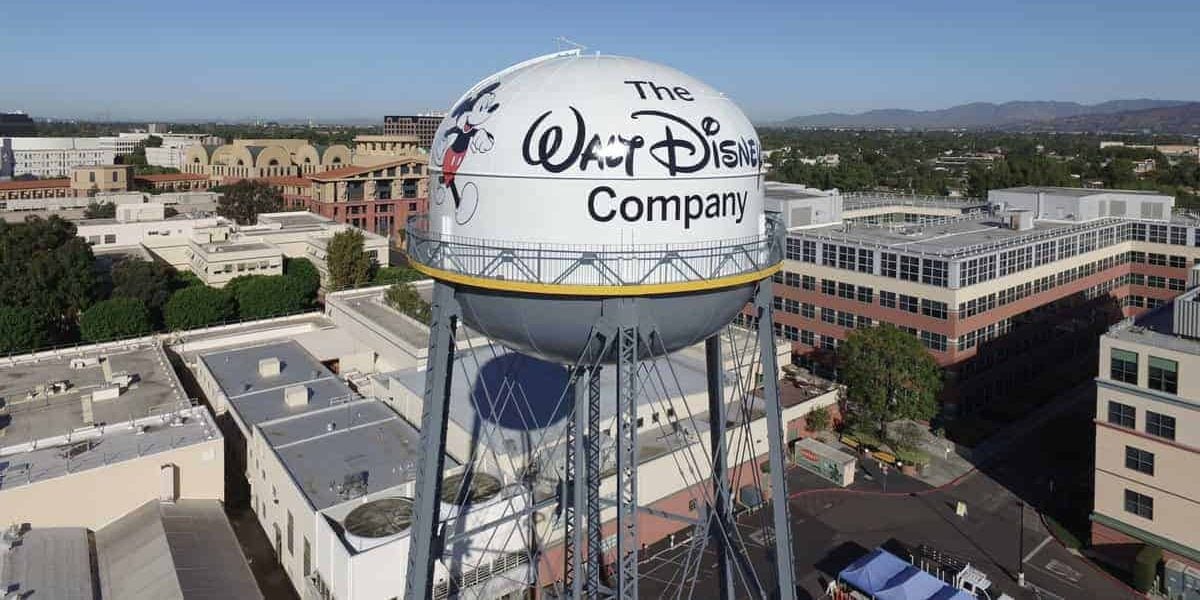
Long before Disney acquired Pixar, the two companies clashed repeatedly over their partnership agreement. Pixar produced the films, but Disney retained distribution rights and significant authority over sequels and characters.
That arrangement frustrated Pixar leadership.
In the early 2000s, then-Pixar CEO Steve Jobs openly clashed with Disney chief Michael Eisner over creative control. Jobs even announced in 2004 that Pixar would seek a new distribution partner once its contract expired.
Relations worsened when Disney began developing sequels to Pixar films without Pixar’s involvement through a separate studio.
The standoff only ended when Bob Iger replaced Eisner and worked to repair the relationship. His efforts culminated in Disney acquiring Pixar in 2006 for $7.4 billion.
More recently, tensions resurfaced during the COVID-19 pandemic.
Disney chose to send several Pixar titles — including Soul, Luca, and Turning Red — directly to its streaming service rather than theaters. Some Pixar employees reportedly believed the decision conditioned audiences to expect the studio’s original films at home instead of on the big screen.
Despite those challenges, Pixar continues developing new projects alongside major sequels.
Toy Story 5 is expected to arrive in theaters soon, while other original concepts — including Gatto — remain in development. Whether those projects maintain Pixar’s legacy of risk-taking storytelling remains an open question.
Are you surprised that Disney axed Be Fri?


Truthfully, I am more surprised that a company that prided itself on its own record of creativity and imagination would stoop to trying to suppress such qualities in its own ranks! If those in charge can’t recognize these qualities, then the whole company mind soon find itself falling down a rabbit-hole…..with no chance of return!