

News
The Iger Intervention: Inside the Massive “Cleanup” of the Chapek Era and the Master Plan for Disney’s Future

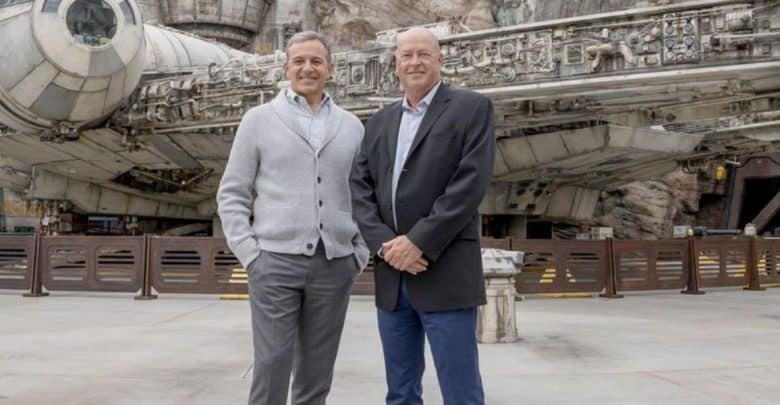
In the annals of corporate history, few hand-offs have been as disastrous as the transition from Bob Iger to Bob Chapek. It was a move that was supposed to secure Disney’s future in the digital age; instead, it nearly unraveled a century of brand equity. As we enter February 2026, Bob Iger is finally speaking with unfiltered clarity about the state of the company he inherited upon his return—and the monumental task of “fixing” what he describes as a fractured kingdom.

For Iger, the last three years haven’t just been about managing a global conglomerate; they have been an intensive rescue mission. From dismantling broken organizational structures to repairing the fractured relationship with Disney’s most loyal fans, Iger is determined to leave the company on solid ground before he walks away for the second time.
The Deconstruction of the Chapek Architecture
When Iger re-entered the CEO’s office in November 2022, he didn’t just find a company with a lower stock price; he found one that had lost its identity. The “mess” he speaks of was most evident in the Disney Media and Entertainment Distribution (DMED) division—a Chapek-era invention that centralized all decision-making regarding content distribution.

Under DMED, the creative geniuses behind Marvel, Pixar, and Disney Animation were stripped of their financial authority. They could make the movies, but they couldn’t decide how to release them. Iger’s critique of this period is biting: he argues that it prioritized “spreadsheets over storytelling.”
“A lot of fixing had to be done,” Iger recently admitted. His first order of business was to kill DMED and return the “P&L” (profit and loss) responsibility to the creatives. By putting the power back in the hands of the filmmakers, Iger signaled that the “Iger 2.0” era would be defined by quality over quantity—a direct pivot away from the Chapek strategy of flooding Disney+ with content to drive subscriber growth at any cost.
Repairing the Magic: The Guest Experience Overhaul
While the corporate structure was a mess, the “on-the-ground” experience at Disney Parks was arguably in even worse shape. Under Chapek’s leadership, Disney Parks became synonymous with nickel-and-diming. From the introduction of the paid Genie+ service to the removal of free perks like Disney’s Magical Express and hotel parking, the “Disney Magic” was being overshadowed by a perceived lack of value.

Iger has spent a significant portion of his return performing a “PR surgery” on the Parks division. Working closely with Josh D’Amaro, Iger has:
- Reduced the complexity of the Lightning Lane system.
- Increased “low-cost” ticket availability to ensure the parks remain accessible to the middle class.
- Brought back fan-favorite perks, such as free overnight parking for resort guests.
Iger’s goal was to stop the “brand erosion” that occurred when guests began to feel like they were being viewed as “cogs in a machine” rather than valued visitors. By the start of 2026, guest satisfaction scores have reportedly begun to climb back to pre-pandemic levels.
The Master Plan: Setting Up a Successor for Success
The most poignant lesson Iger learned from the Chapek era was that a talented executive isn’t enough; a successor needs a culture of support. Iger has been open about the fact that Chapek’s positioning led to many of the failures that followed.

To ensure the next hand-off is permanent, Iger has implemented a “Succession Bootcamp” unlike anything the company has seen. He is no longer looking for a “mini-Iger.” Instead, he is looking for a leader who can thrive within the restored creative-first structure.
The James Gorman Influence
Under the guidance of James Gorman, the former Morgan Stanley CEO who now chairs Disney’s succession committee, the search for the next CEO has become a clinical, data-driven process. Gorman’s involvement is a clear sign that Iger wants to remove the “personality” from the choice and focus on operational stability.
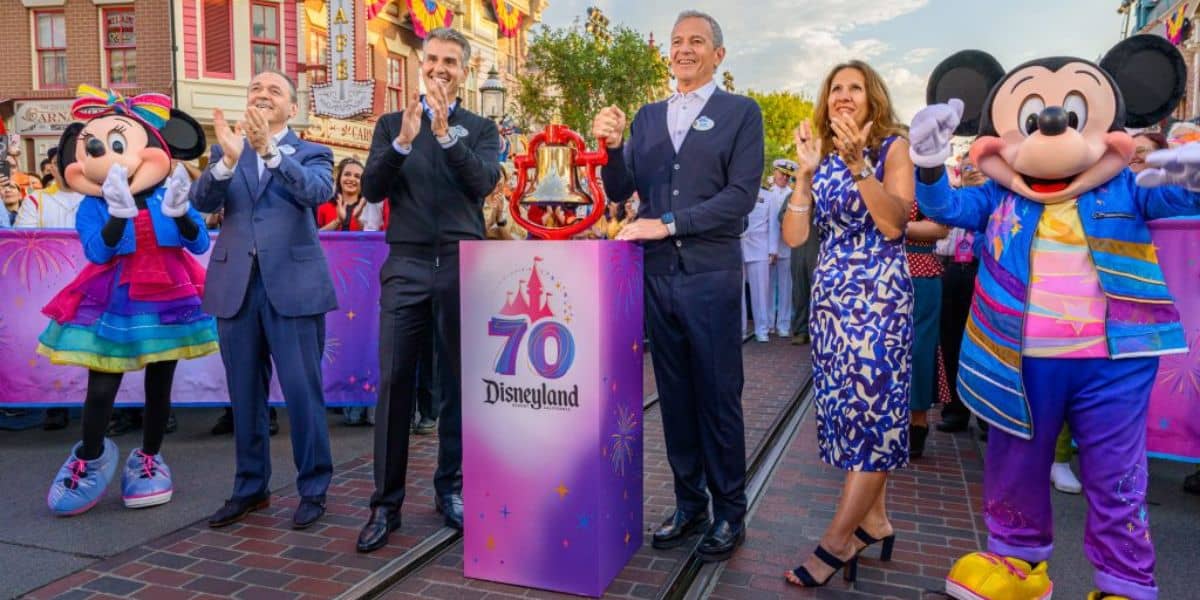
Iger is reportedly mentoring four internal candidates—Dana Walden, Alan Bergman, Josh D’Amaro, and Jimmy Pitaro—not by having them compete, but by having them collaborate. He wants the next CEO to step into a role that is clearly defined, with a healthy balance sheet and a creative engine that is already firing on all cylinders.
Leaving the Keys to a Clean House
Bob Iger’s second departure, currently slated for the end of 2026, will be his final legacy. If he leaves and the company falters again, his reputation as a legendary CEO will be tarnished. If he leaves and the company thrives under new leadership, he will be remembered as the man who saved Disney from itself.

By blaming Chapek for the “mess,” Iger isn’t just venting; he is setting a benchmark. He is telling the world—and the next CEO—that the “Disney Way” is about the marriage of art and commerce, and that tilting too far toward the commerce side is a recipe for disaster.
Conclusion: The Custodian of the Kingdom
In 2026, Bob Iger is no longer a “builder” of empires—he is a custodian. He spent his first term buying Pixar, Marvel, and Lucasfilm. He has spent his second term fixing the plumbing and electrical systems in the house where those brands live.

As the search for the next CEO enters its final stages, Iger’s message is clear: the fixing is primarily done. The “mess” has been cleared. The following person to take the throne will benefit from a streamlined, creative-focused Disney that understands its value isn’t just in its stock price but in its ability to tell stories that matter.
Do you think Bob Iger has done enough to “fix” Disney? Is the company ready for a new leader, or should Iger stay even longer? Share your thoughts on the “Succession Struggle” in the comments below!


I do not believe Mr Iger has done enough to unwind the “paycheck” mentality of Mr Chapek. You still have to pay extra for lightning lane, rise of resistance, and other premium attractions. Mr. Iger has not done enough to remove the barriers to a middle class family going to the Disney parks. When a family of four can’t even get through the doors without spending $1000, that’s a problem! Additionally, the magic key program does not contain the same perks that the annual pass system used to include. You have many people who were AP holders at the highest tier who would go to the parks multiple times during the year, and even though they didn’t pay to get through the gates, their business did include purchases of all the souvenirs as well as food within the park. Mr Iger needs to reevaluate the pay to play system that still is installed in the aftermath of Mr. Chapek.
Mr. Iger has not heard the public because he is pushing an agenda. And contrary to popular belief Chapek was actually following directions from Iger. Disney in general needs to start listening to its base as it has lost it way. Disney+ streaming is losing viewers everyday, locals don’t purchase annual passes because the price has gotten ridiculous and the reservation system. The price to even visit the parks is too high. And lastly most of use want you to bring back the old attractions.
I totally agree with you!!!!! We want our OLD ORIGINAL DISNEY BACK! Family values – affordable and good clean fun!