

DisneyMagic KingdomWalt Disney World
From Pioneers to Pit Stops: The Radical Disappearance of Magic Kingdom’s Frontierland

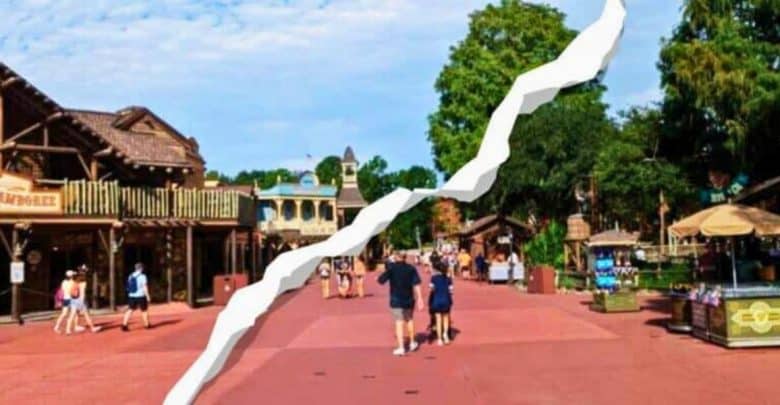
Theme parks are not museums; they are living, breathing spaces that evolve with the tastes and expectations of their audiences. Nowhere is this reality more apparent right now than in the western corner of Walt Disney World’s Magic Kingdom. For decades, this space was dedicated to a unified vision of the 19th-century Old West. It was a place of slow-moving riverboats, dusty trails, and the quiet, rustic isolation of island exploration.
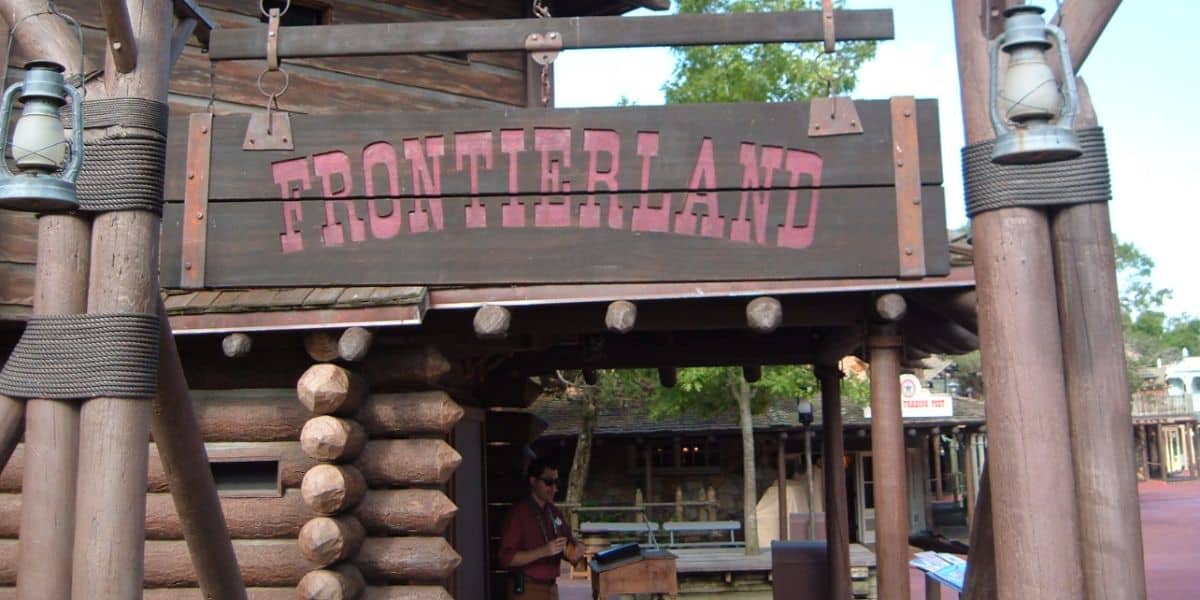
However, those days are officially behind us. It has been over a year since the construction walls first went up, closing the Rivers of America and Tom Sawyer Island indefinitely. In their place, a high-octane future is being built: Piston Peak National Park. This Cars-themed expansion is undeniably exciting, but it also fundamentally alters the park’s thematic DNA. For Disney purists, it begs the question: Is the classic, cohesive Frontierland gone for good?
The Disappearance of a Cohesive Era
To understand the magnitude of this shift, one must look at what the western half of the park has gradually become. Originally, it offered a seamless chronological and geographical narrative of the American frontier. Today, it is a fascinating, if somewhat disjointed, patchwork quilt of North American history. A walk through this side of the park is no longer a stroll through a single era.
Instead, guests experience a rapid-fire tour of wildly different locales. You begin in a vibrant 1920s New Orleans setting at Tiana’s Bayou Adventure, a beloved attraction that has welcomed guests for over two years. A few steps away, the atmosphere shifts completely to the eerie, gothic charm of the Haunted Mansion. Turn another corner, and you are plunged into the patriotic, 18th-century brickwork of Colonial America in Liberty Square. Keep walking, and the landscape dries out, turning into the arid, red-rock mesas of Arizona at Big Thunder Mountain Railroad. Wedged into this timeline-hopping geography is whatever remains of the classic American West.
Introducing the Pixar Highway
Injecting a Pixar property into this historical collage is a monumental task. Piston Peak National Park draws its aesthetic inspiration from the sweeping, majestic vistas of America’s National Parks. It promises an immersive environment filled with towering pine trees, rugged rock formations, and high-speed rally races. But the intellectual leap from a colonial heritage site or a 1920s bayou to a cartoon-stylized world populated entirely by talking vehicles is staggering.
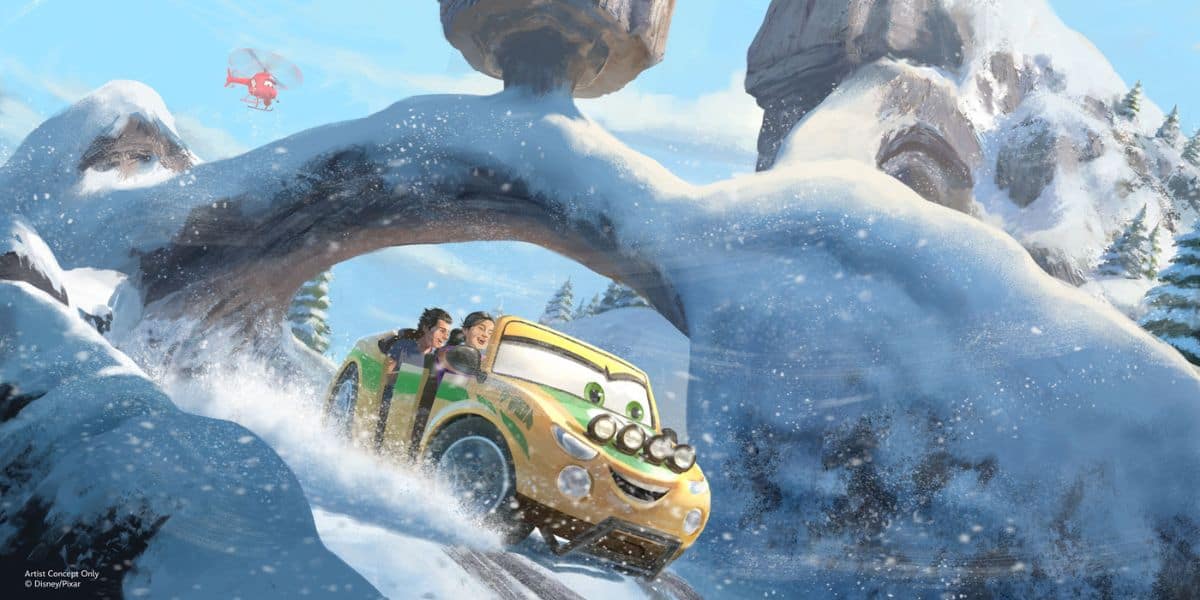
Walt Disney Imagineering faces a unique challenge. They are not simply dropping a new E-ticket attraction into an empty lot; they are retrofitting a modern intellectual property into the very heart of the Magic Kingdom. The ultimate goal is to ensure that the visual and auditory transition between these drastically different lands doesn’t break the immersive spell that Disney is so famous for.
The “Good Neighbor” Strategy
Walt Disney World Executive Creative Director Jason Grandt spoke directly to this delicate balancing act. When discussing how Imagineers decided on the placement and execution of Piston Peak within such a diverse area of the park, Grandt explained:
“If we’re going to build in the middle of this, what is a place that can touch the visual look of all of these places…? That same Frontierland story is still there…Liberty Square is still there, but we want to make sure we can be a good neighbor to these places as we start to design and invent this new environment.”
This “good neighbor” philosophy is actively driving the physical design of the land’s borders. To protect the solemn, historical atmosphere of Liberty Square, the facing mountain range of Piston Peak has been designed as a soft, lush, natural mound rather than a jagged, aggressive rock face. Imagineers are utilizing cascading waterfalls down these slopes to provide natural white noise. This rushing water is strategically placed to block out the sights of cartoon cars and muffle the sounds of revving engines from reaching guests enjoying a quiet moment near the former entrance of the Liberty Square Riverboat.
Paving Over the Rivers of America
Inside the borders of Piston Peak, the nostalgia of the Old West is fully traded for the thrill of the great American road trip. While the muddy banks of the historic rivers are gone, water remains a central element of the landscape as an homage to what came before. The environment will be kinetic and alive, featuring rushing mountain waterways, waterfalls, and newly expanded geyser areas that create a subtle visual bridge to Big Thunder Mountain Railroad.

The meticulous details are what will bring this new area to life. Guests will encounter rainbow-colored thermal pools where subtle tire tread patterns have been woven directly into the rockwork. The land’s centerpiece geyser, playfully named “Old Tankful,” serves as a brilliant homage to the iconic natural wonders found across America’s National Parks. Throw in whimsical character details like Ranger J. Autobahn Woodlore, and it is clear that Imagineering is operating at the top of its game, even if the subject matter is a stark departure from the pioneers of the past.
A Changing Magic Kingdom
The reality of modern theme park design is that audiences crave recognizable characters, high-thrill experiences, and immersive blockbuster environments. The quiet, rustic charm of a riverboat has been traded for a multi-million-dollar attraction that will draw massive crowds. Conceptually, Piston Peak represents the chronological progression of the American story—from the early pioneers riding trains at Big Thunder to the rise of automobile travel and national conservation.
Yet, the physical reality is that the cohesive, unified narrative of the Old West has officially ridden off into the sunset. In its place stands a brilliant, if fragmented, showcase of Imagineering’s modern ambitions, forever changing the map of the Magic Kingdom.
How do you feel about theme parks replacing atmospheric, historically cohesive areas with high-thrill rides based on modern intellectual properties?


