
NewsOutside the Disney Bubble
Heartbreak on I-Drive: Authorities Find “No Criminal Wrongdoing” After 55 Sloths Die at Planned Orlando Attraction

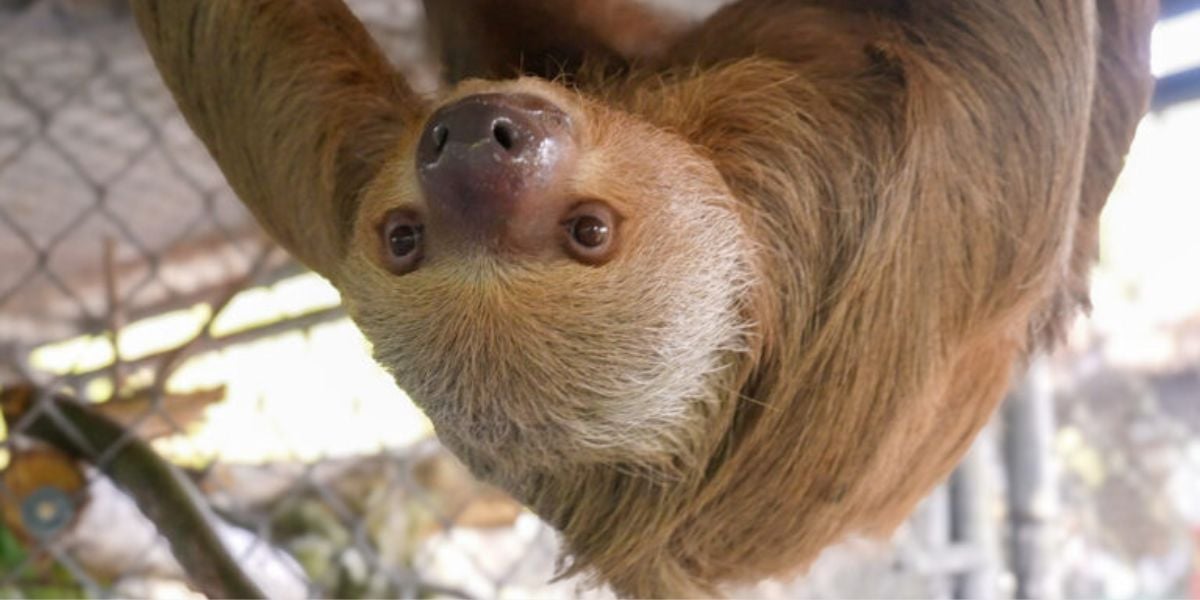
Central Florida is world-famous as the ultimate destination for theme parks and family entertainment. When vacationers travel to Orlando, they anticipate magical experiences at Walt Disney World, Universal Orlando Resort, or SeaWorld. In addition to these massive theme parks, the International Drive corridor is constantly evolving, welcoming smaller roadside attractions and unique interactive experiences to draw in millions of tourists. One such highly anticipated project was Sloth World, a planned attraction on I-Drive that promised guests the opportunity to meet, hold, and interact with exotic sloths.
Instead of becoming the next major hit for animal-loving tourists, the project unraveled into one of the most heartbreaking animal welfare disasters in recent Florida history. In total, at least 55 sloths perished before the facility could ever officially open to the public. Despite the sheer scale of this tragedy, the Orange County Sheriff’s Office recently announced a stunning conclusion that has left theme park fans, locals, and animal advocates completely outraged: investigators found no criminal wrongdoing.
The Months-Long Criminal Investigation
After news broke regarding the horrific loss of dozens of animals, the Orange County Sheriff’s Office launched an extensive, months-long investigation into the practices of Sloth World and its founder, Ben Agresta. The highly scrutinized attraction was intended to be a premier interactive stop for families seeking wildlife encounters outside of the major theme parks.
Investigators left no stone unturned in their comprehensive review. Over the course of three months, detectives meticulously examined facility records, reviewed veterinary documentation, and analyzed inspection records provided by the Florida Fish and Wildlife Conservation Commission (FWC). Furthermore, the investigative team conducted more than 20 interviews with state and national wildlife experts.
Despite these extensive efforts, the Orange County Sheriff’s Office concluded that there was no evidence of criminal activity. Investigators found no deliberate acts or omissions by the facility’s personnel that met the strict legal threshold of criminal neglect under current Florida state statutes. Instead, the massive loss of life was officially classified as a complex mortality event, and authorities explicitly stated they found no criminal wrongdoing.
What Actually Happened to the Animals?
To understand how 55 animals could legally die, it is crucial to look at the timeline of the doomed tourist attraction. Dozens of wild sloths were captured from their rainforest homes in South America—specifically Peru and Guyana—and imported to Central Florida to stock the upcoming Sloth World experience.
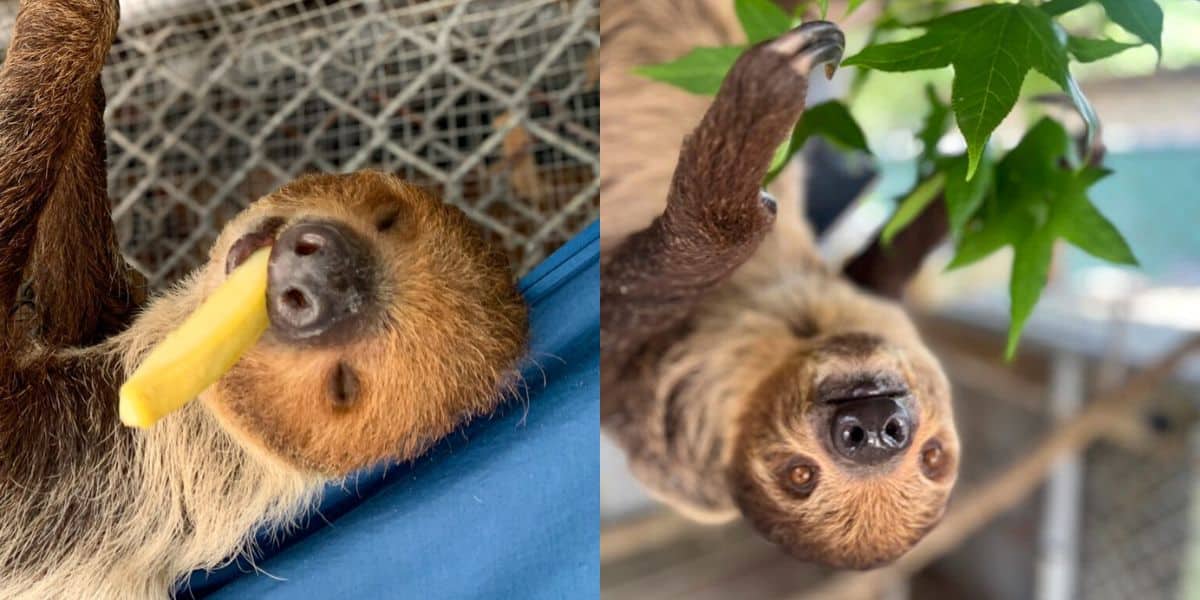
However, instead of thriving in a state-of-the-art zoological facility, the imported animals faced a barrage of compounding health issues. The Orange County Sheriff’s Office cited a combination of extreme stressors as the contributing factors that led to the deaths.
According to the investigative report, authorities determined the deaths resulted from:
- Pre-existing health conditions and a widespread infectious disease process, whose pathology findings were pointed to as most likely viral.
- Transportation stress stemming from their importation from Guyana and Peru.
- Severe nutritional and copper deficiencies.
- Gastrointestinal dysfunction severely impacted the animals’ survivability.
Thirteen critically ill sloths were eventually rescued and taken to the Central Florida Zoo & Botanical Gardens in Sanford in April. Unfortunately, several of those survivors also later died due to their poor condition upon arrival, including a young four-to-six-month-old sloth named Mr. Ginger and another sloth named Willow, bringing the total number of surviving sloths in the zoo’s care down to eight.
A Devastating Legal Loophole: Demanding Accountability
The finding that no criminal wrongdoing occurred despite 55 animal deaths has sparked immense backlash from the Central Florida community. For theme park enthusiasts who expect world-class standards of animal care in Orlando, the ruling feels like a massive letdown. However, local lawmakers are pointing out that the fault lies not with the investigators but with Florida’s notoriously weak wildlife regulations.
Florida State Representative Anna Eskamani, who led news conferences and pushed for immediate policy reforms in response to the sloth deaths, released a powerful statement regarding the sheriff’s findings.
“I want to thank the Orange County Sheriff’s Office for the rigor they brought to this investigation and for taking our concerns and the community’s concerns so seriously,” Eskamani shared in her statement. “Over more than three months, their detectives reviewed facility records, veterinary and diagnostic documentation, and inspection histories, and conducted more than twenty interviews with state and national experts. They did their job thoroughly and professionally, and under current law, I accept that the conclusion they reached.”
Eskamani’s words highlight a terrifying reality for Florida’s tourism and attraction industry: facilities can legally pass state standards while providing environments that ultimately lead to mass casualties.
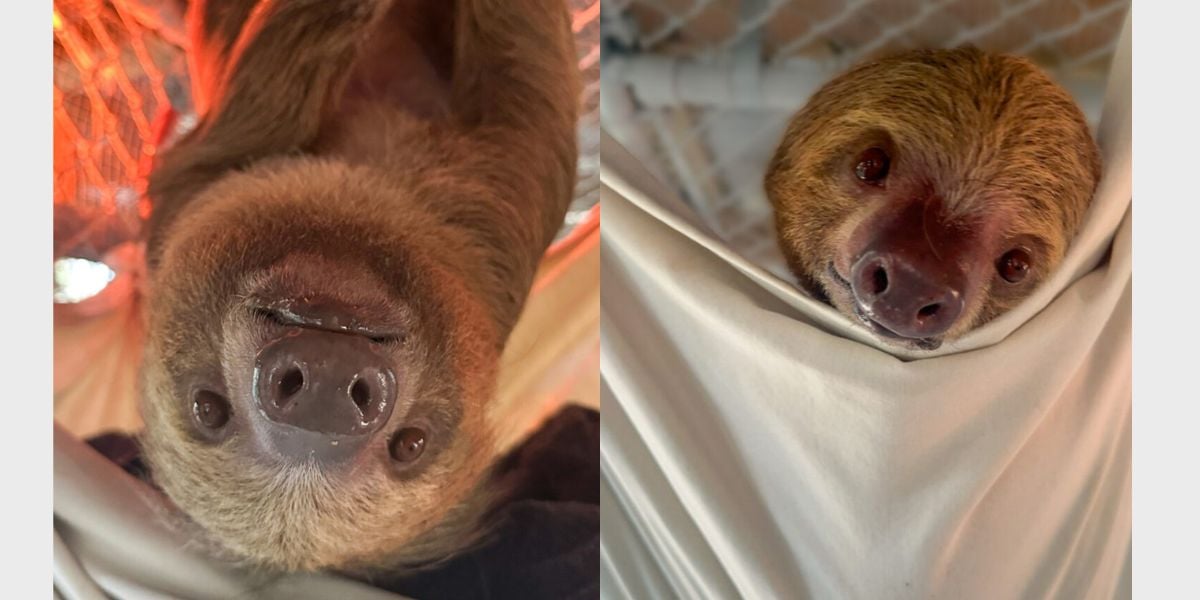
“That is why we need to change the law and rules governing captive wildlife in Florida,” Eskamani continued. “Dozens of sloths were captured, shipped across the world, and died, and under Florida law as it exists today, no one is held accountable. That is not a failure of the investigators.”
The Future of Animal Attractions in Florida
The Sloth World tragedy casts a dark shadow over Florida’s independent animal attraction industry. The deaths have already prompted policy changes, as Florida now requires a special permit before sloths can be imported into the state. Furthermore, Orange County commissioners are considering a ban on the use of exotic wildlife for commercial entertainment.
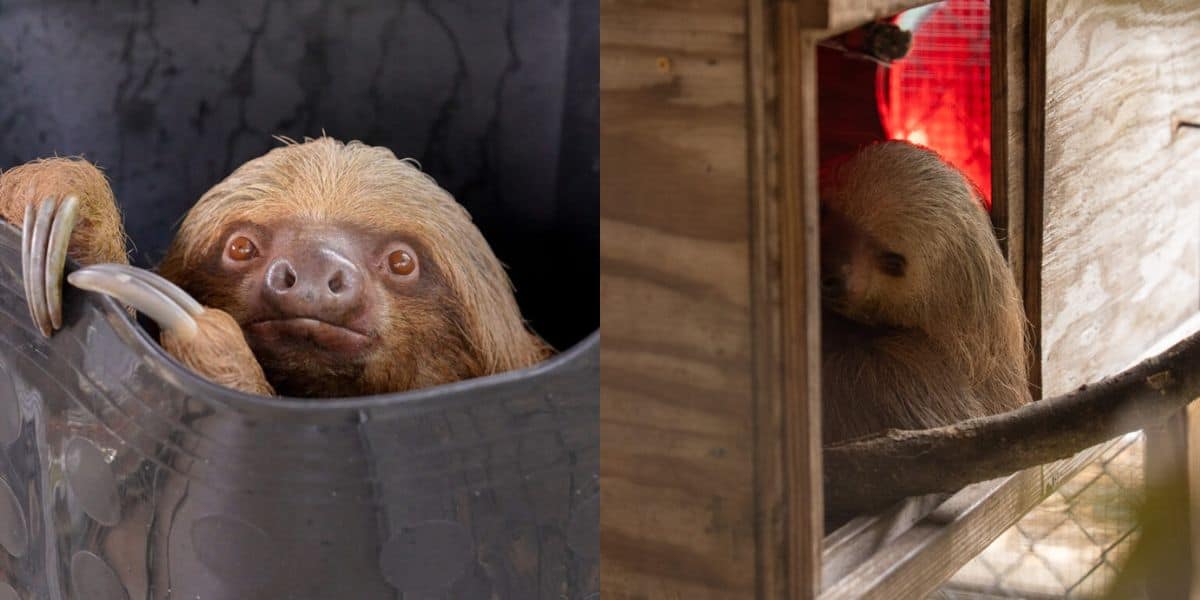
For now, Sloth World remains a failed project, never having opened its doors on International Drive. It serves as a grim cautionary tale for Central Florida’s booming entertainment industry. As the Orlando tourism sector continues to grow, this heartbreak emphasizes the urgent need for stricter regulations to guarantee the safety of the wildlife that makes these magical attractions possible. Visitors come to Central Florida to celebrate the magic of wildlife, not to contribute to an industry where legal loopholes allow innocent animals to slip through the cracks. It is up to lawmakers to ensure that the next time an attraction promises a magical animal encounter, the safety and well-being of the creatures involved are fully protected by law.