


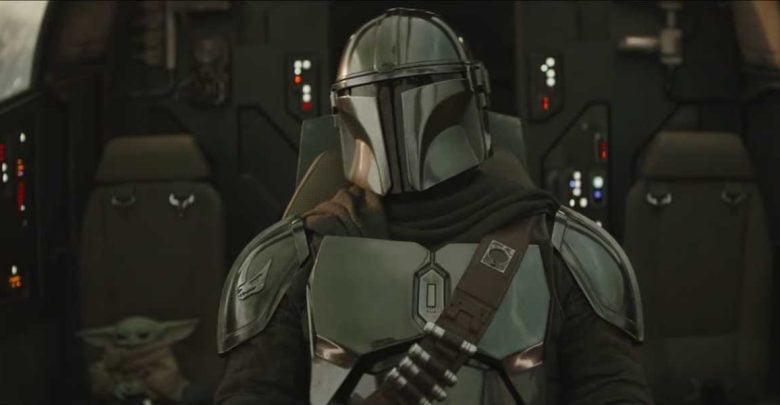
For years, Lucasfilm’s streaming strategy appeared to provide a roadmap for Star Wars‘ future. Now, however, the franchise’s long-awaited return to theaters is facing a much different reality.
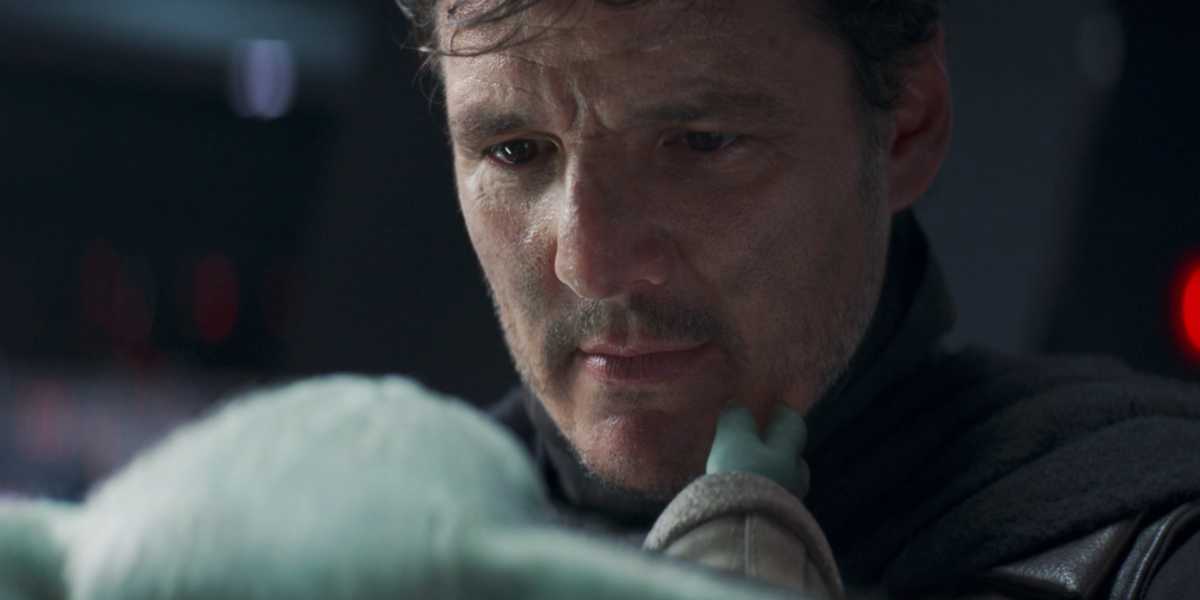
What was originally envisioned as a major theatrical turning point for Star Wars has instead become one of the industry’s most closely watched box office disappointments. The Mandalorian and Grogu (2026), Lucasfilm’s first Star Wars feature film in years, has struggled to maintain momentum after its debut, with recent box office results effectively removing it from any conversation about becoming one of the year’s major theatrical successes.
The project itself began as something very different. Jon Favreau initially conceived the story as The Mandalorian Season 4 before Lucasfilm elected to transform it into a theatrical release. The move reflected confidence that audiences would follow Din Djarin, portrayed by Pedro Pascal (The Last of Us, Gladiator II), and Grogu from Disney+ to movie theaters.
Favreau, who launched The Mandalorian when it debuted on Disney+ in November 2019, oversaw the transition alongside executive producer Dave Filoni. Filoni now serves as Lucasfilm co-president alongside Lynwen Brennan. Converting a streaming storyline into a theatrical feature required significant restructuring, with long-running serialized arcs adapted into a format intended to appeal to both longtime fans and newcomers.

The original plans for Season 4 reportedly connected more directly to Ahsoka and the anticipated return of Grand Admiral Thrawn, played by Lars Mikkelsen (Sherlock). Favreau has previously acknowledged those connections, though it remains unclear how much of that material survived the shift from streaming series to feature film.
At first glance, the film’s $165 million worldwide opening weekend appeared respectable. Yet that figure also happened to align closely with the movie’s reported production budget, leaving little room for celebration. Any optimism quickly faded when second-weekend results arrived.
The Mandalorian and Grogu suffered a dramatic decline of roughly 69% to 70% in its second frame, signaling that broader audiences never fully embraced the film beyond the franchise’s established fan base.
The situation became even more complicated when comparisons emerged with Focus Features’ surprise 2025 hit Obsession. According to reporting first highlighted by Forbes, the independent horror film was outperforming The Mandalorian and Grogu during a key midweek stretch.
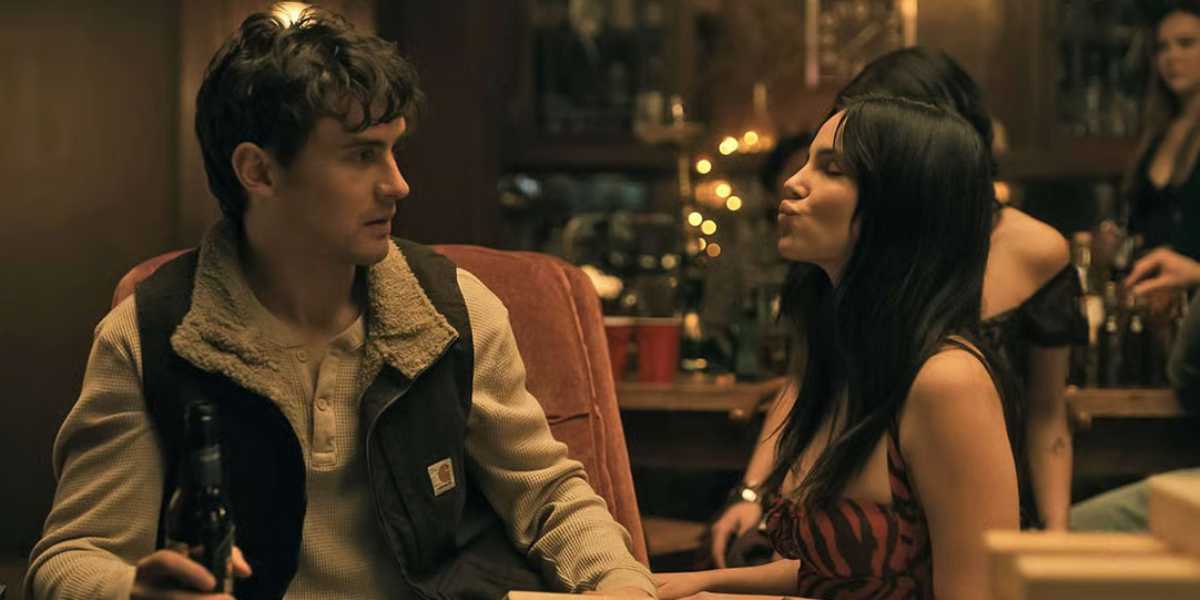
On one Wednesday, Obsession earned $5.6 million domestically while The Mandalorian and Grogu brought in $4.1 million. The distinction was particularly notable because Obsession was already in its second week of release, while the Star Wars film was still in its first.
Directed by Curry Barker and starring Michael Johnston as Baron “Bear” Bailey and Inde Navarrette as Nikki Freeman, Obsession has continued to exceed expectations. The film has now earned $229.4 million globally, surpassing the entire opening weekend gross of Lucasfilm’s blockbuster and becoming one of the year’s most surprising success stories.
As the theatrical run continues, Lucasfilm has pursued an unusual strategy to encourage repeat attendance. Through a partnership announced by TheaterEars on Instagram, a director’s commentary version of The Mandalorian and Grogu has been released in theaters.
The special edition allows audiences to watch the film while hearing commentary, production insights, and behind-the-scenes observations throughout the feature.
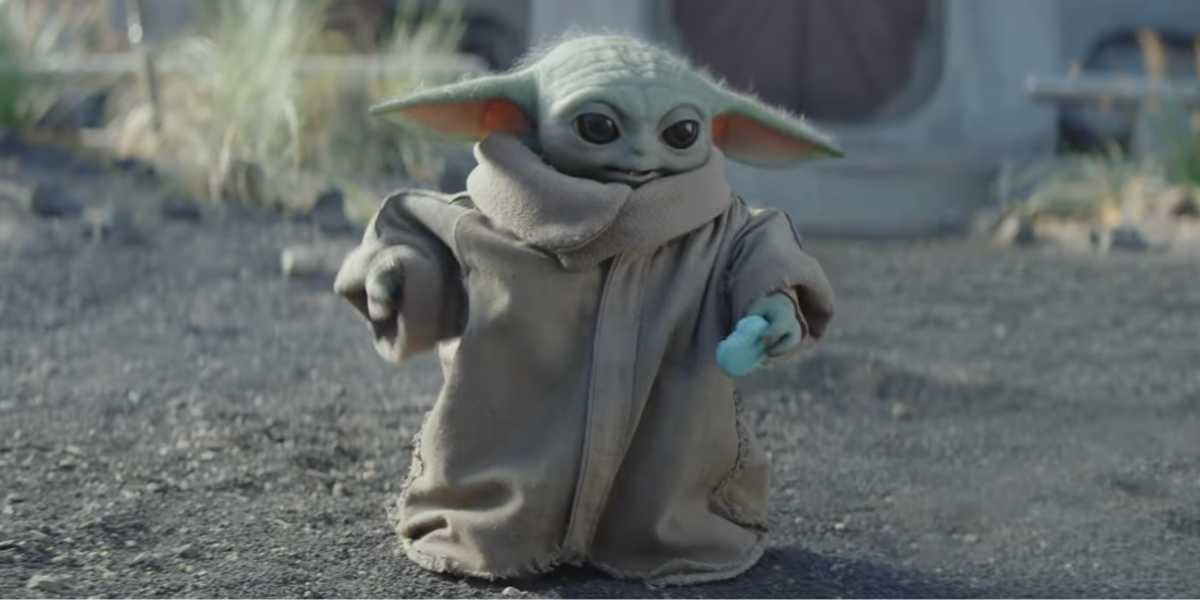
While alternate cuts and specialty screenings have long existed in Hollywood, releasing a commentary version while the movie remains in wide theatrical circulation has drawn attention. Whether the move serves as an added incentive for dedicated fans or a broader effort to extend the film’s theatrical life remains to be seen.
Box office analyst Gitesh Pandya recently highlighted another difficult milestone for the film. On Monday, June 8, The Mandalorian and Grogu failed to place among the domestic box office’s top four titles. Instead, Obsession reclaimed the top position.
“Obsession officially reclaimed the #1 spot at North American #boxoffice on MON!
$4.2M – #Obsession ($156.1M cume)
$4.13M – #ScaryMovie ($58.5M)
$3.29M – #Backrooms ($138.7M)
$2.1M – #MastersOfTheUniverse ($31.5M)Doing this in week #4 is astounding – especially for a horror movie!”
By Sunday, Deadline reported that The Mandalorian and Grogu had fallen to sixth place, earning just $10 million domestically for the three-day frame.
The implications extend beyond a single release. For much of the past seven years, Star Wars has largely existed on Disney+, where shows such as The Book of Boba Fett, Obi-Wan Kenobi, Ahsoka, The Bad Batch, and Skeleton Crew expanded the franchise’s interconnected storytelling.
That strategy helped establish Grogu as a cultural phenomenon and elevated Pedro Pascal’s profile. The assumption was that the audience cultivated through streaming would follow the franchise back to theaters.
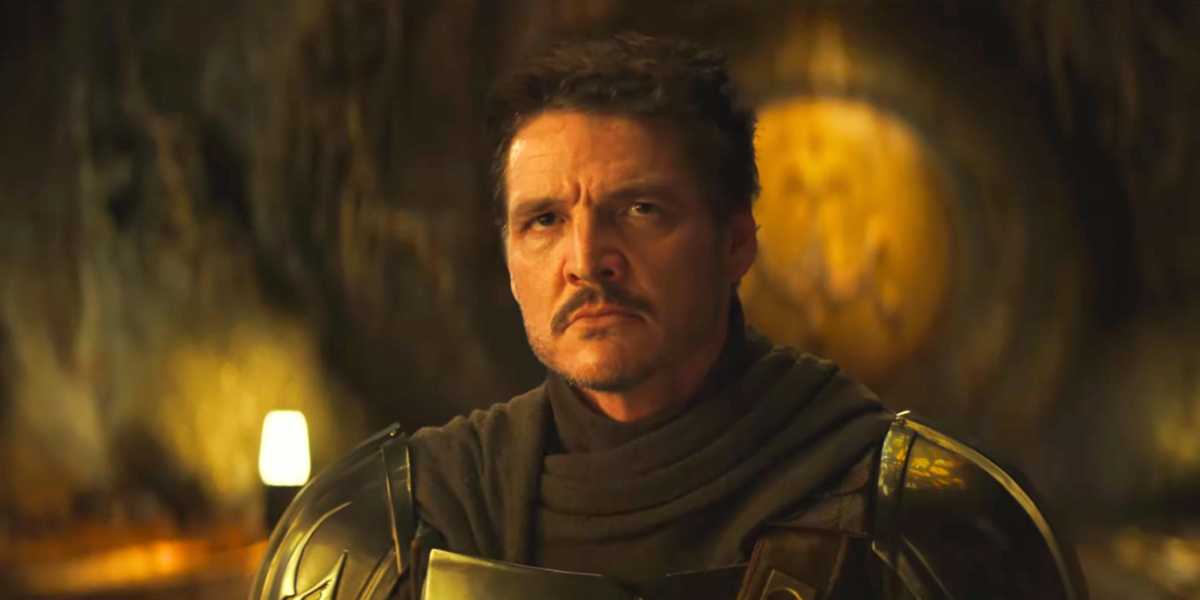
The performance of The Mandalorian and Grogu suggests that transition may not have been as seamless as Lucasfilm hoped.
Attention now shifts to future projects. Ahsoka Season 2 remains in development for Disney+, where Dave Filoni is expected to continue storylines involving Sabine Wren, played by Natasha Liu Bordizzo (The Society), and Ezra Bridger, played by Eman Esfandi (Spider-Man: Brand New Day).
Looking further ahead, Lucasfilm is preparing Star Wars: Starfighter (2027), directed by Shawn Levy (Deadpool & Wolverine). Ryan Gosling, fresh off the success of Amazon-MGM’s Project Hail Mary (2026), is set to headline the project.
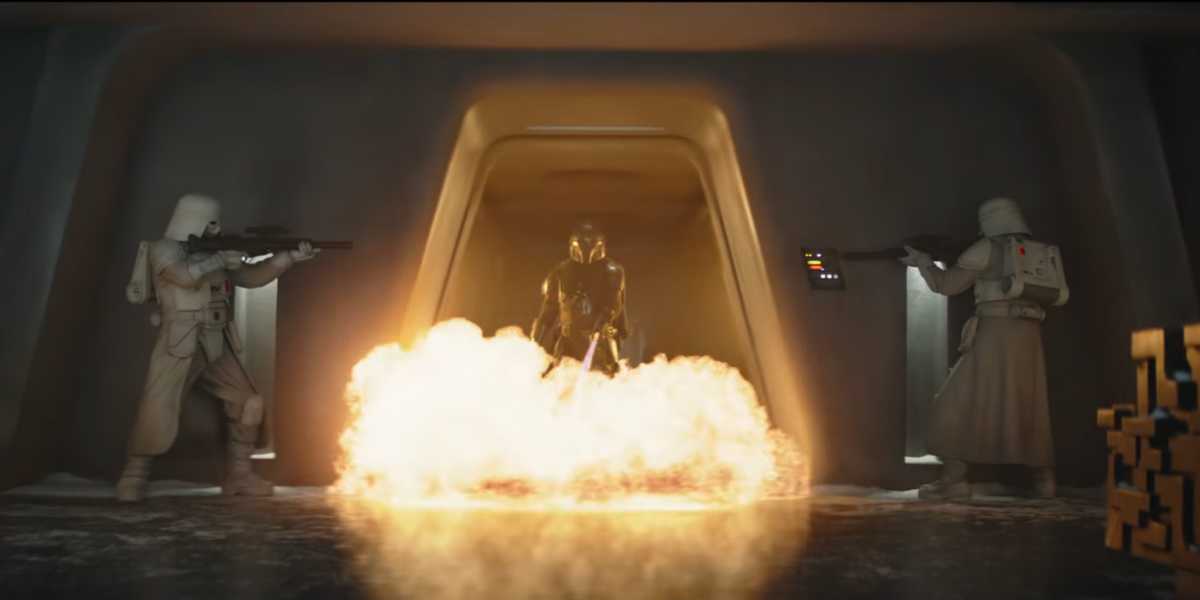
Unlike The Mandalorian and Grogu, Starfighter appears positioned as a more accessible entry point for general moviegoers, requiring little familiarity with years of streaming content. Whether that strategy can restore theatrical momentum for Star Wars remains one of the industry’s biggest questions.
For now, The Mandalorian and Grogu continues its theatrical run, including the recently released commentary edition. The larger issue facing Lucasfilm is whether audiences are still interested in making the trip to see it.
What are your thoughts on Star Wars in 2026? Let us know in the comments down below!




Is anyone really shocked that people don’t want to pay $20-30 for 2 hours of what they used to get a whole season of for “free” with their streaming service?
Moving television shows to the theaters only works years after they’ve left tv.
Anything that deals with sci-fi/fantasy is going to deal with pushback as long as Pedro Pascal is part of the cast. After his political rants during the press tours for FF: First Steps he alienated part of his audience, and it will show in the numbers.
Trying to turn a profit with a movie in theaters while people are also paying for a streaming channel from the same studio won’t get you any fans either.