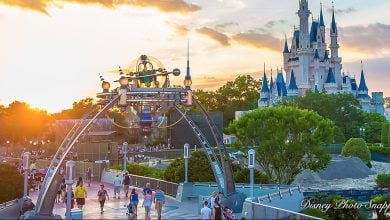


The theme park arms race has reached a fascinating critical mass. Historically, the playbook for keeping attendance high and forcing families to book expensive vacation packages was simple: bring out the wrecking ball. To combat competition, theme park giants traditionally relied on flattening older attractions and spending half a billion dollars to build massive E-ticket rides from the ground up.
But clearing raw acreage and navigating four to six years of disruptive construction walls has become a massive financial gamble. Instead, The Walt Disney Company has quietly mastered a brilliant corporate pivot: the high-value attraction refresh.
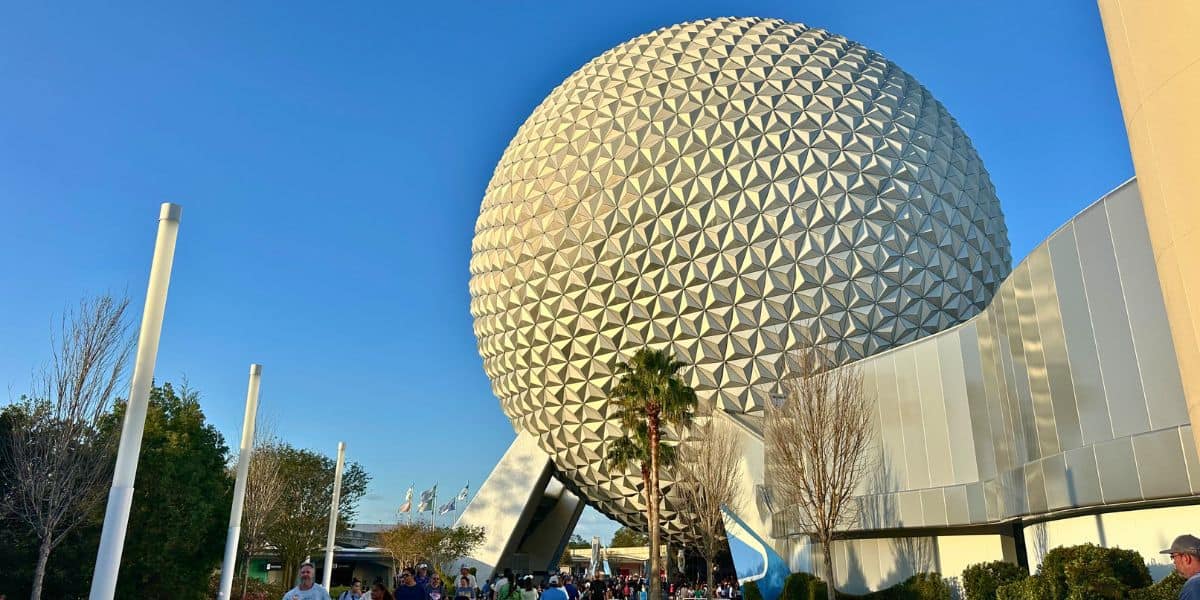
By preserving existing foundational infrastructure while completely modernizing the ride tracking, special effects, and narrative overlays, Disney is pulling off the ultimate marketing illusion. They are creating the buzz of entirely “new” attractions for a fraction of the cost, all while bypassing the intense public relations backlash that typically accompanies the death of a park landmark. With this asset-recycling framework now proven to be a financial win, industry insiders agree it is time for Walt Disney Imagineering to deploy this blueprint onto EPCOT’s two most critical legacy landmarks: Spaceship Earth and Journey Into Imagination with Figment.
The Million-Dollar Math of Reusing Heavy Infrastructure
To understand why this strategy works so beautifully in Disney’s favor, you have to look directly at the balance sheet. Building a ground-up mega-attraction requires a massive capital expenditure. The design phase alone requires extensive architectural, environmental, and structural re-engineering.
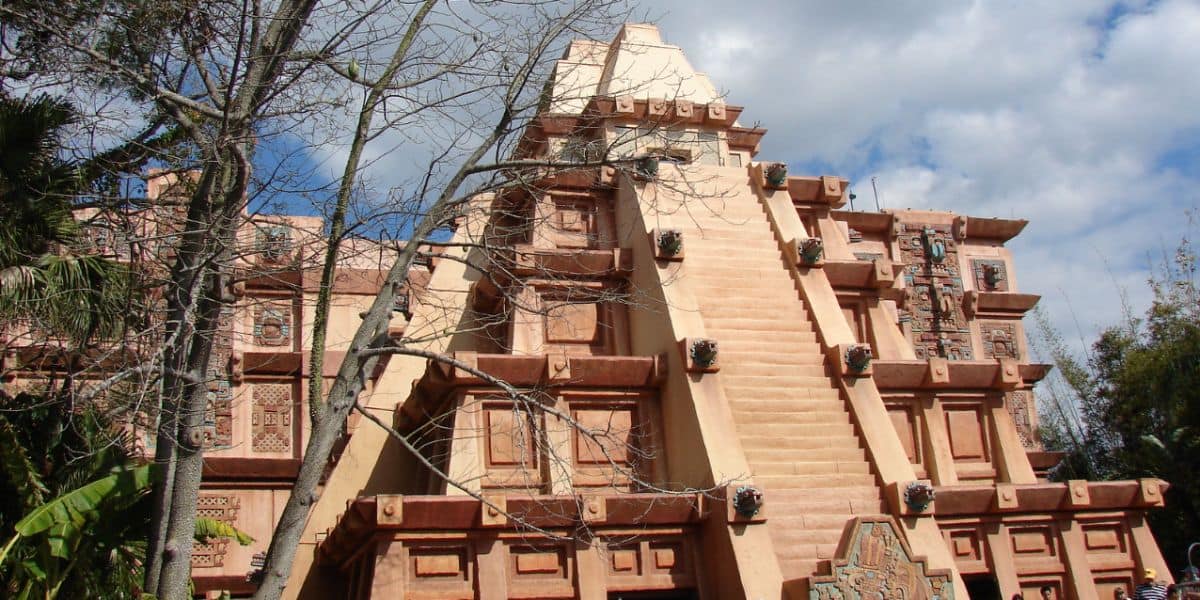
The budget-friendly refresh alternative capitalizes on heavy infrastructure assets that have already been fully paid for and amortized over decades:
- The Structural Shell: Massive pavilions like EPCOT’s geodesic sphere or the multi-tiered glass pyramids of the Imagination pavilion are architectural marvels that would cost hundreds of millions to replicate today.
- The Underlying Utilities: Pre-existing high-voltage power grids, complex plumbing networks, and foundational industrial HVAC systems are already seamlessly integrated into the park’s grid.
- The Queue Real Estate: Maintaining expansive indoor and outdoor queuing areas saves millions in landscape engineering and structural design costs.
By keeping the foundation and ride layouts intact, Disney saves up to 60% in development costs. This allows creative teams to funnel money directly into the elements guests actually notice—advanced projection mapping, state-of-the-art electric audio-animatronics, and pristine practical sets—rather than wasting money on basic concrete pouring and excavation.
The Creative Emergency at the Imagination Pavilion
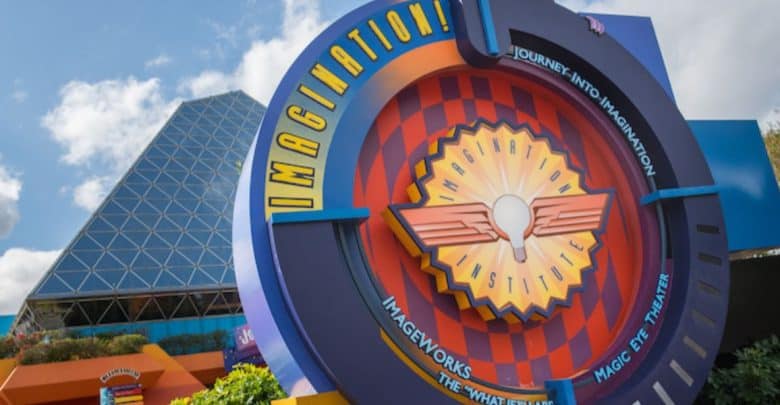
No attraction in the entire Disney portfolio demonstrates a more urgent, desperate need for this optimization blueprint than Journey Into Imagination with Figment in EPCOT’s World Nature neighborhood. The current iteration of the ride, which debuted in 2002 as a quick patch to a universally disliked 1999 overhaul, is widely considered a creative low point. The ride relies on dated, low-tech sight gags and a sterile “sensory lab” narrative that completely underutilizes its iconic characters.

Yet, from an infrastructure standpoint, the Imagination Pavilion is a goldmine waiting to be tapped. The physical ride path is remarkably long, the transition tunnels are spacious, and the adjacent ImageWorks post-show area contains the exact skeleton needed for a high-traffic, interactive digital playground.
Disney does not need to flatten the building to make way for a different franchise. Instead, they can weaponize nostalgia. A top-tier technical refresh could replace the aging, temperamental animatronics with advanced electric figures, introduce high-definition kinetic projections, and restore the whimsical, dream-like tone of the 1983 original. By bringing back the Dreamfinder alongside a modernized Figment, Disney could trigger an unprecedented wave of merchandise sales and vacation bookings, yielding a massive return on investment for an asset that currently sits as a walk-on attraction most afternoons.
Spaceship Earth: Completing the Postponed Masterpiece
While the Imagination pavilion represents a creative crisis, Spaceship Earth—the undisputed icon of the entire park—presents a massive operational opportunity. Before the global park closures, Disney had officially announced a sweeping, multi-year transformation for the attraction, described as a holistic “story light” reinvention. The project promised a brand-new musical score, a fresh narrative focus centered on the universal human tradition of storytelling, and comprehensive scene updates. Unfortunately, due to capital conservation mandates, the project was indefinitely shelved.
Theme park operational specialists note that, from a mechanical standpoint, Spaceship Earth is long overdue for a major overhaul. The massive Omnimover ride system requires a complete overhaul to reduce downtime and minimize daily maintenance overhead. Sourcing custom parts for a decades-old transit system is an increasingly expensive corporate burden.
By restarting the paused refurbishment program under Disney’s current cost-effective framework, Imagineering could systematically resolve these backend operational liabilities while delivering a breathtaking new guest experience. The slow, infamously sparse descent sequence—which currently relies on flat, static screens showing a dated 2000s-era animation—could be completely transformed using cutting-edge celestial projection mapping, immersive fiber-optic displays, and dynamic set pieces. It is the textbook definition of Disney’s modern strategy: taking a historical icon that defines a park’s visual identity and refreshing it to ensure it can operate flawlessly for the next 30 years.
The Ultimate Fan Compromise
Ultimately, leaning into the refurbishment of these core pavilions solves the ultimate modern theme park puzzle: how to keep a park feeling fresh, progressive, and technologically relevant without inducing crippling financial strain or alienating the historical fan base.
Traditionalists are intensely defensive of EPCOT’s original foundational concepts of human progress, communication, and creativity. By taking Spaceship Earth and Journey Into Imagination and polishing them into modern masterpieces rather than replacing them with mismatched movie tie-ins, Disney can completely avoid the public relations minefields that typically stall major park changes. The Refurbishment Revolution proves that in the modern theme park landscape, the path to a profitable tomorrow doesn’t always require a wrecking ball—just a little bit of imagination.